
If your skincare shelf looks like a TikTok shopping haul and your haircare routine was designed by a Reddit thread, you’re not alone — and you’re probably also dealing with breakouts, dullness, or a damaged scalp you can’t explain. In 2026, beauty misinformation is spreading faster than any serum can absorb. With AI-generated “expert” content, influencer sponsorships, and algorithmic beauty trends dominating every feed, separating fact from fiction has become a full-time job.
So we did that job for you. Here are the biggest skincare and haircare myths circulating right now — with the actual science to back up the truth.
Why Beauty Myths Spread Faster in 2026
Blame the algorithm. Beauty content that triggers strong emotion — awe, disgust, hope, frustration — performs well. “This $3 ingredient replaced my entire skincare routine” will always outperform “consistent moisturizing takes weeks to show results.” Add AI-generated blog posts, paid influencer endorsements, and echo chambers of thousands of users validating the same wrong advice, and myths cement themselves as gospel.
The result? Millions of people are damaging their skin barriers with over-exfoliation, clogging their scalps with oils, and spending money on collagen drinks that the body can’t absorb the way they’re promised. Let’s fix that.
Top Skincare Myths of 2026
From “glass skin” obsession to SPF misinformation, these are the skincare myths dermatologists are most tired of hearing this year.

Tightness after cleansing means your skin is clean
That “squeaky clean” feeling is one of the most beloved sensations in skincare — and one of the most damaging. Why do people believe it? Because culturally, tightness = cleanliness. It feels like something worked. In reality, that sensation means your skin’s natural moisture barrier has been stripped by a harsh, high-pH cleanser. When your barrier is disrupted, your skin overproduces oil to compensate — triggering breakouts, sensitivity, and paradoxical dryness.
The Truth
A well-formulated cleanser should leave your skin feeling comfortable, soft, and neutral — not tight. Look for gentle, pH-balanced cleansers (pH 4.5–5.5). Ceramide-based and cream cleansers are excellent for maintaining barrier integrity.
Quick tip
If your face feels tight 30 seconds after washing, swap your cleanser immediately. Your barrier will thank you within two weeks.
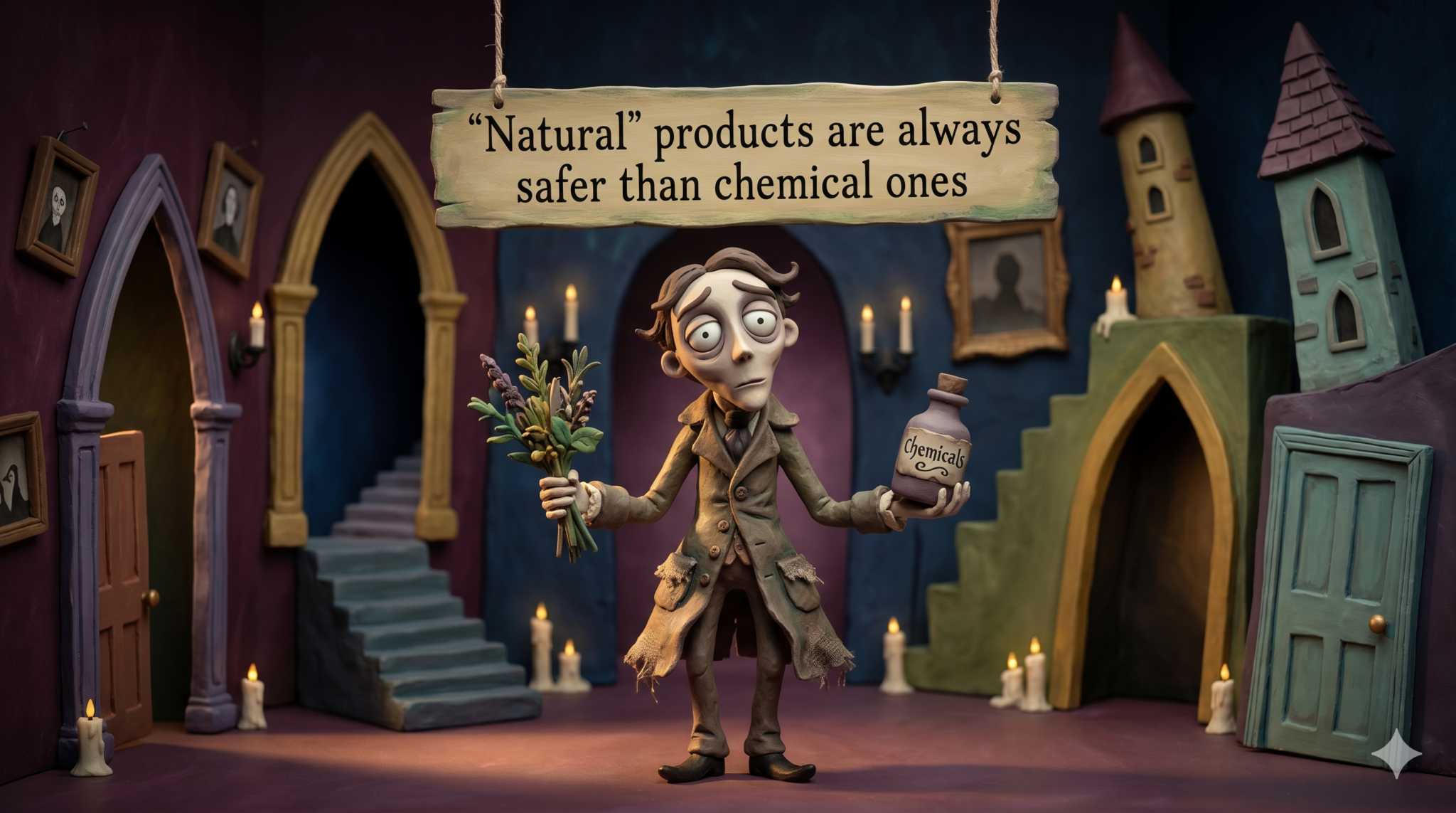
“Natural” products are always safer than chemical ones
This myth is fueled by wellness culture, clean beauty marketing, and a genuine distrust of synthetic ingredients. But here’s the chemistry reality check: everything is a chemical. Water is a chemical. Vitamin C is a chemical. “Natural” doesn’t mean safe — lemon juice, essential oils, and cinnamon are natural and can cause chemical burns or photosensitivity. Meanwhile, “synthetic” retinol, hyaluronic acid, and niacinamide are extensively tested and some of the most effective ingredients in dermatology.
The Truth
What matters is the ingredient’s safety profile and concentration — not its origin. Many natural ingredients (like undiluted tea tree oil or DIY turmeric masks) cause more skin damage than well-studied synthetic actives. Judge ingredients on evidence, not etymology.

You only need SPF on sunny days
This is perhaps the most dangerous beauty myth still circulating. UV radiation — specifically UVA rays — penetrates clouds and glass with near-identical intensity regardless of whether the sun is visible. UVA rays cause deep dermal damage, accelerate photoaging, and are the primary driver of hyperpigmentation and DNA mutations linked to skin cancer. Influencers in India, where UV Index regularly hits 10+ even on overcast monsoon days, are still promoting “sunscreen only for beach days.”
The Truth
SPF 30–50 PA+++ broad-spectrum sunscreen should be the last step of your morning routine, 365 days a year. Mineral sunscreens with zinc oxide are especially effective for sensitive, acne-prone, or melanin-rich skin types.
Quick tip
Reapply every 2 hours of sun exposure. No, your SPF-infused foundation does not count as adequate UV protection — you’d need to apply 7–10 times the amount you actually use.

Over-exfoliating gives you “glass skin”
The glass skin trend — popularized by K-beauty and weaponized by algorithm-hungry influencers — has led to an epidemic of damaged skin barriers. People are using glycolic acid, salicylic acid, physical scrubs, and retinol simultaneously and daily, chasing that impossibly smooth, lit-from-within glow. The result? Redness, burning, peeling, persistent breakouts, and increased sensitivity — a compromised skin barrier that takes months to rebuild.
The Truth
Most skin types only need chemical exfoliation 2–3 times per week at most. Glass skin in K-beauty culture is achieved primarily through layered hydration (essences, serums, lightweight moisturizers) — not aggressive exfoliation. Focus on barrier repair: ceramides, peptides, and consistent moisturizing.

Slugging is for everyone and makes skin glow overnight
Slugging — applying an occlusive like petroleum jelly as the final skincare step — went viral on TikTok and genuinely works as a technique for dry, dehydrated skin. However, the trend has spread without nuance. For acne-prone or oily skin types, layering petroleum jelly can trap sebum, dead skin cells, and bacteria, worsening congestion and breakouts.
The Truth
Slugging is a legitimate technique, but it’s best suited to dry, non-acne-prone skin types — and should be done after a simplified routine, not on top of multiple actives. If you’re acne-prone, consider a lighter occlusive like squalane instead.

Ice facials shrink pores permanently
Rubbing ice on your face has been a viral beauty “hack” since 2023 and it refuses to die. The idea: cold temperatures shrink pores for a tighter-looking complexion. Here’s the problem — pores don’t have muscles. They cannot open or close. Ice causes temporary vasoconstriction (narrowing of blood vessels), which creates a brief illusion of smaller pores. Prolonged or direct ice application can also cause ice burns, broken capillaries, or aggravate rosacea.
The Truth
Pore size is primarily genetic and influenced by oil production, collagen levels, and sun damage. Consistent use of niacinamide, retinoids, and sun protection will do far more to minimize pore appearance over time than any ice ritual.
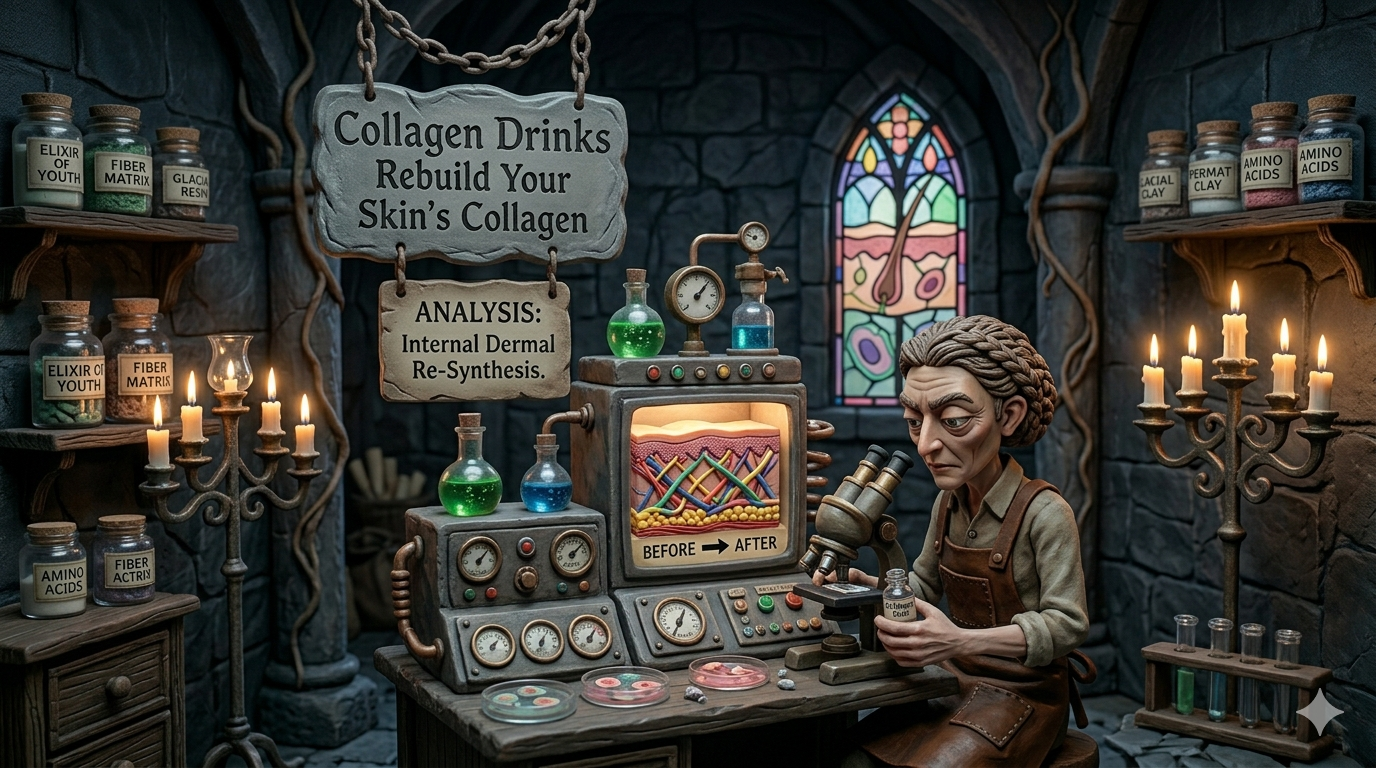
Collagen drinks rebuild your skin’s collagen
The collagen beverage market was worth billions globally in 2025 and the marketing is compelling: drink collagen, build collagen. The reality is less glamorous. When you ingest collagen — whether in powder, gummy, or liquid form — your digestive system breaks it down into amino acids, just like any other protein. Your body then decides where to use those amino acids, and there is no guarantee they’ll be directed to skin collagen synthesis.
The Truth
Some studies show modest improvements in skin elasticity with daily collagen supplementation over 8–12 weeks, particularly hydrolyzed collagen peptides. But the evidence is still limited. For proven collagen stimulation, topical retinoids and in-office treatments remain far more effective. Save your money, or prioritize a protein-rich diet instead.

Toothpaste, lemon juice, and baking soda are effective DIY acne cures
Social media DIY hacks love these three. They’re cheap, accessible, and feel “hardcore” — surely something this strong must work? Toothpaste contains fluoride, sodium lauryl sulfate, and mint that irritate and dry out skin. Lemon juice (pH ~2) can cause chemical burns and severe photosensitivity. Baking soda (pH ~9) drastically disrupts your skin’s slightly acidic pH and destroys beneficial bacteria. All three are dermatologist nightmares.
The Truth
For acne, use proven actives: salicylic acid (BHA) for blackheads, benzoyl peroxide for bacterial acne, and niacinamide for inflammation. If acne is persistent, see a dermatologist — prescription tretinoin or clindamycin are far safer and more effective than any kitchen ingredient.
Frequently Asked Questions
The Bottom Line
Your skin and hair deserve better than whatever went viral yesterday. In 2026, the most radical beauty act is skepticism — pausing before you apply, questioning who’s selling you what, and choosing evidence over aesthetics. Consistency, simplicity, and science-backed ingredients will always outperform the next trending hack. Protect your barrier. Wear your SPF. And stop putting lemon juice on your face.