

From rosemary oil overpromises to scalp neglect, here are the haircare myths causing the most real-world damage this year.

Rosemary oil is as effective as minoxidil for hair growth
Rosemary oil is the hair growth hero of 2024–2026, and one study comparing it to 2% minoxidil made it explode on every platform. The comparison sounds convincing — until you read the fine print. The study was small, short-term, and compared to a lower concentration of minoxidil than what’s commonly used. Rosemary oil may offer mild scalp circulation benefits and has anti-inflammatory properties, but presenting it as equivalent to a clinically validated hair loss treatment is dangerously misleading for people with androgenetic alopecia or significant hair loss.
The Truth
Rosemary oil can be a pleasant, mildly beneficial addition to a scalp care routine. But if you’re experiencing noticeable hair thinning or loss, consult a trichologist or dermatologist. Minoxidil, finasteride, and other proven treatments should lead the conversation — not replace it with an essential oil.
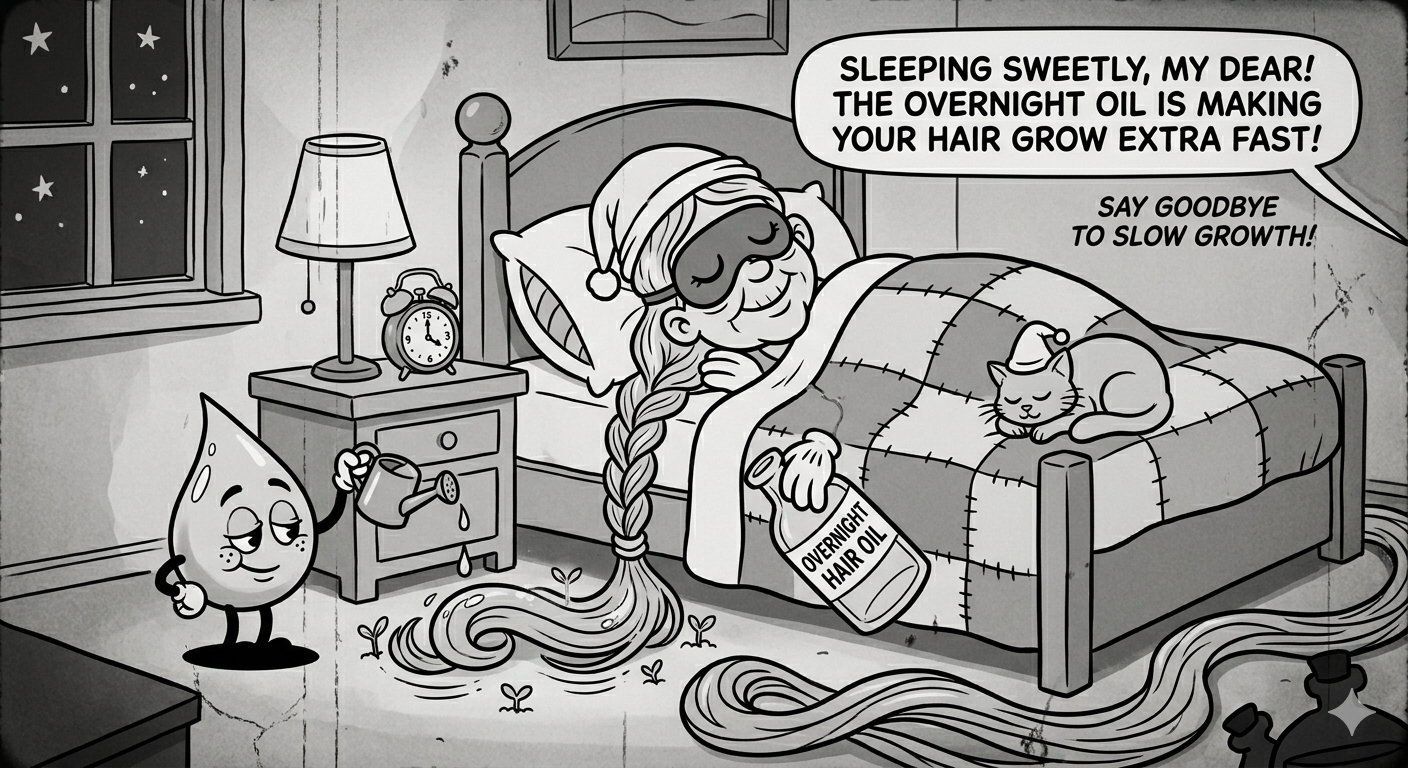
Hair oiling overnight makes your hair grow faster
Hair oiling is deeply embedded in South Asian beauty culture and has genuine benefits — but the overnight heavy-oiling ritual has been oversold globally. Hair growth happens at the scalp level, from within follicles, and is governed by genetics, hormones, nutrition, and overall health. Applying coconut or castor oil to hair shafts — especially overnight — doesn’t penetrate the follicle or influence the growth cycle. It does, however, build up on the scalp, clog follicles, and if not thoroughly washed out, contribute to fungal overgrowth or dandruff.
The Truth
Light scalp massage (with or without a small amount of oil) for 5–10 minutes may improve circulation. If oiling, apply lightly, focus on the scalp, and wash out thoroughly. Overnight heavy oiling of hair strands is mostly cosmetic — it temporarily smooths the cuticle but doesn’t stimulate growth.
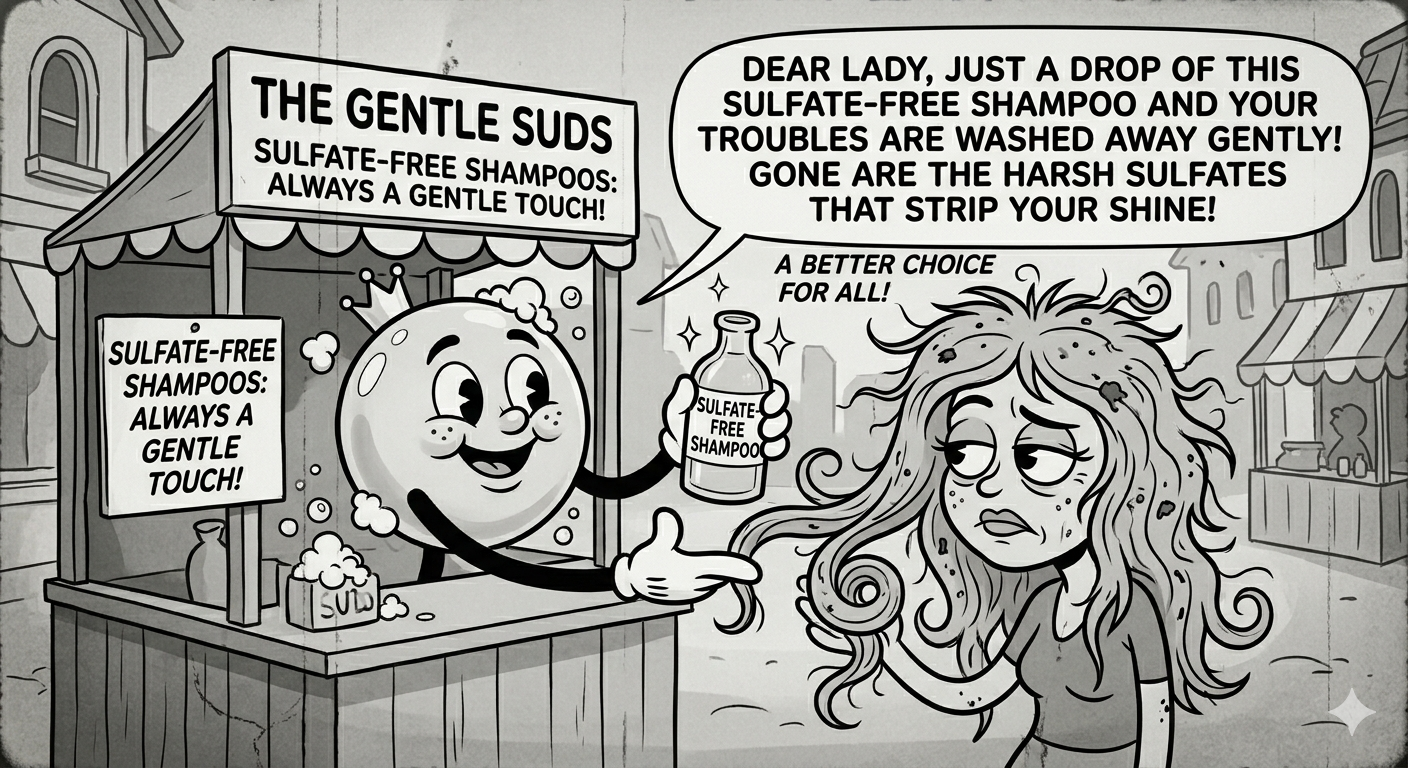
Sulfate-free shampoos are always better for your hair
The sulfate-free movement began with good intentions — sulfates like SLS can be drying for color-treated or chemically processed hair and certain hair types. But the “sulfate-free = always better” narrative became blanket advice. The reality: not all sulfates are equally harsh (sodium cocoyl isethionate is sulfate-adjacent but extremely gentle), and for people with very fine hair or significant scalp buildup, sulfate-free shampoos often don’t cleanse adequately — leading to product buildup, flat hair, and scalp issues.
The Truth
Choose your shampoo based on your hair type, scalp condition, and styling habits — not marketing labels. Coily, color-treated, and chemically-processed hair often benefits from sulfate-free formulas. Fine, straight, or oily hair may actually perform better with a gentle sulfate cleanser. Read the full ingredient list, not the front label.
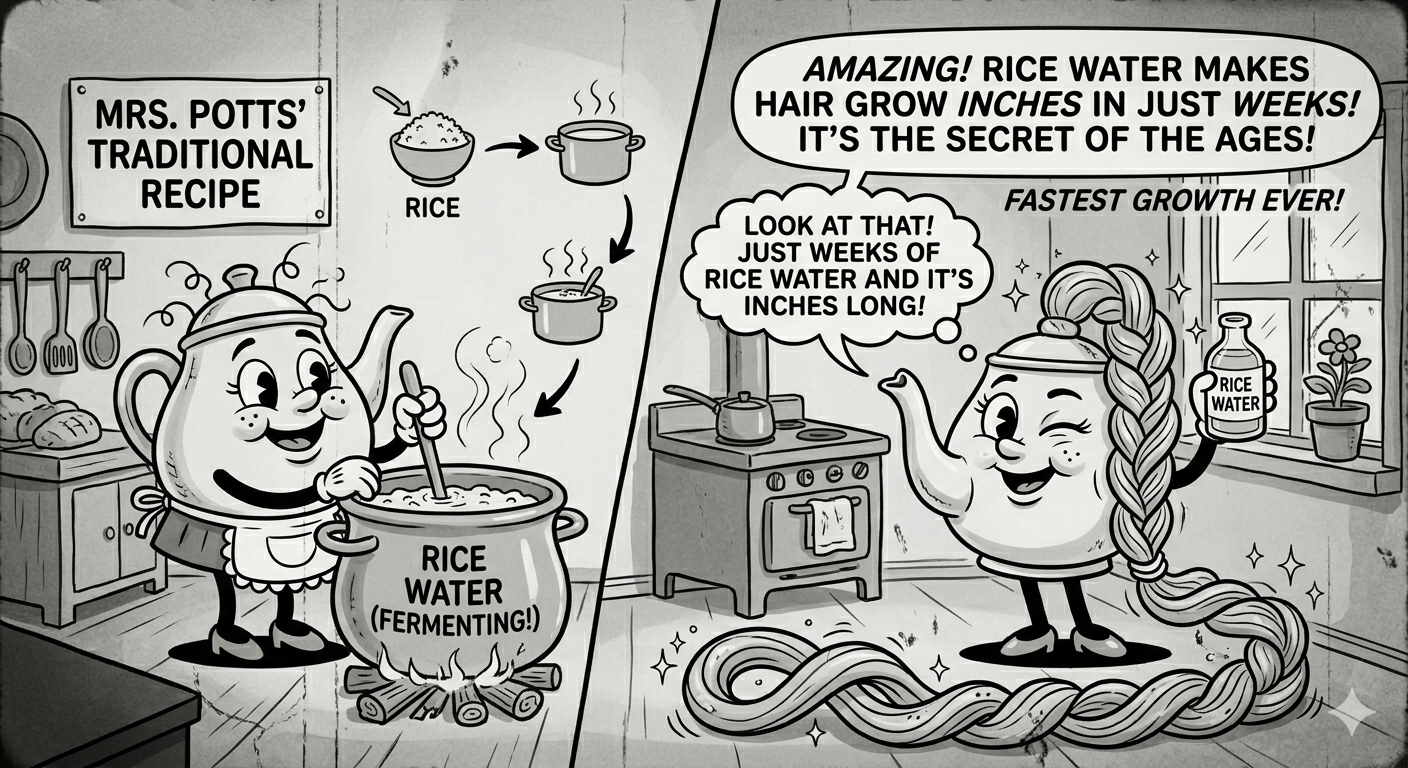
Rice water makes hair grow inches in weeks
The Yao women of China’s Huangluo village have used fermented rice water for centuries, and their hair is genuinely extraordinary. But the viral recipe replication on TikTok glossed over key context: their lifestyle, diet, genetics, water quality, and the generational consistency of the practice. Internet recreations — usually one to two weeks of application — promise dramatic growth that simply isn’t biologically possible. Human hair grows an average of 1.5 cm per month regardless of topical treatments. No topical application changes that rate significantly.
The Truth
Rice water contains inositol, which can temporarily strengthen and smooth the hair cuticle, reducing breakage. Less breakage means hair retains length better — but this is different from actually growing faster. It can be a useful rinse for some hair types, particularly as a temporary protein treatment.

You can “train” your hair to be less oily by washing it less
Hair training — the idea that gradually washing less frequently teaches your scalp to produce less oil — is one of the most persistent beauty myths online. Sebum production is controlled by sebaceous glands and regulated by hormones, genetics, and androgens. It is not a trainable behaviour. Washing less means oil builds up on your scalp — and you perceive it as your scalp “adjusting.” In reality, buildup can irritate the scalp, disrupt the microbiome, and in some cases contribute to seborrheic dermatitis.
The Truth
Wash your hair as often as your scalp needs it — for some people that’s daily, for others every 3–4 days. Scalp health should determine frequency, not a trending concept. Scalp care is increasingly recognized as just as important as facial skincare, and neglecting it has real consequences.
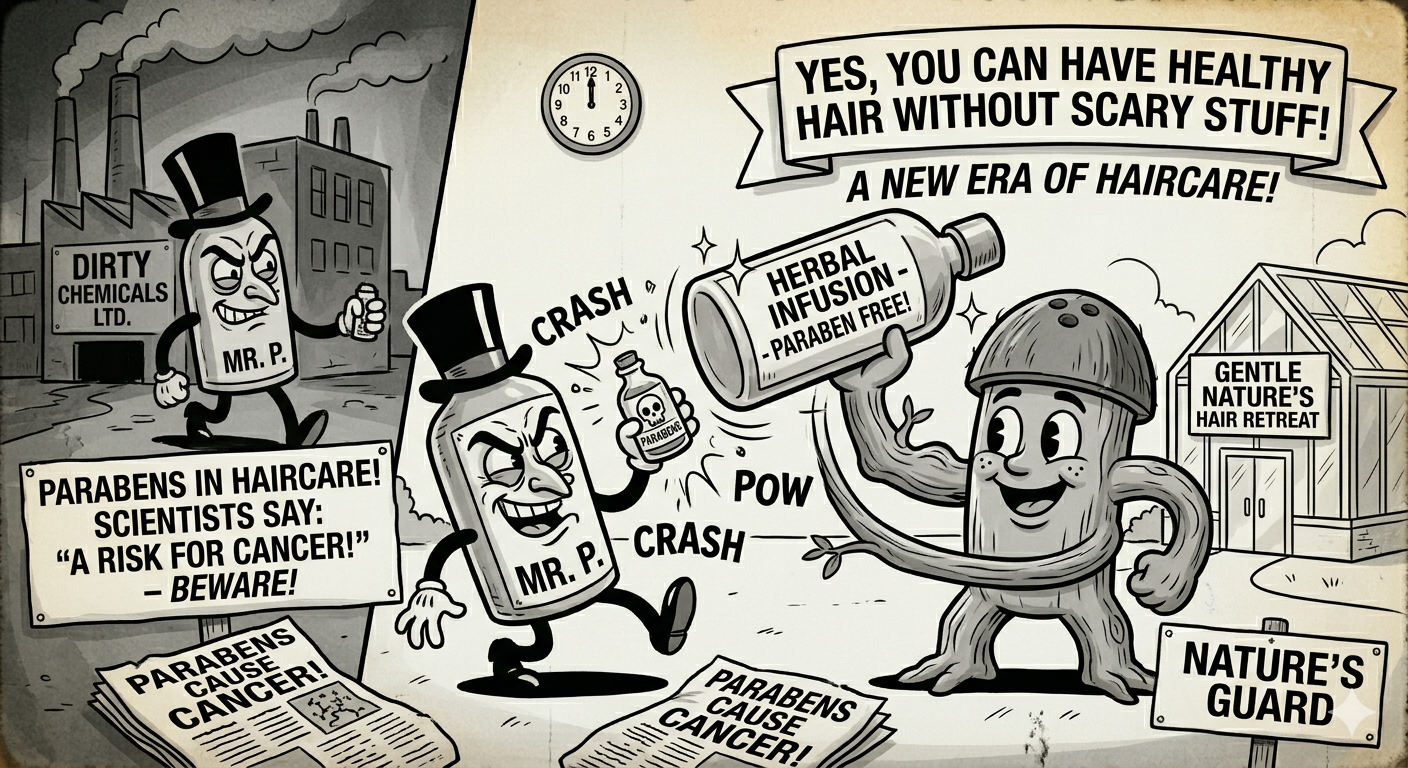
Parabens in haircare products cause cancer
The paraben panic began in the early 2000s from a study that detected parabens in breast tumor tissue — but crucially, this did not establish causation. Regulatory bodies including the European Scientific Committee on Consumer Safety have reviewed extensive evidence and concluded that parabens used in cosmetics at approved concentrations are safe. Yet the “paraben-free” label has become such a powerful marketing signal that millions of consumers avoid products based on a misread headline from 20 years ago.
The Truth
Parabens are preservatives that prevent dangerous microbial growth in your products. The alternatives brands use (phenoxyethanol, formaldehyde-releasing preservatives) can actually be more irritating for sensitive individuals. Assess ingredients on regulatory evidence, not label buzzwords.
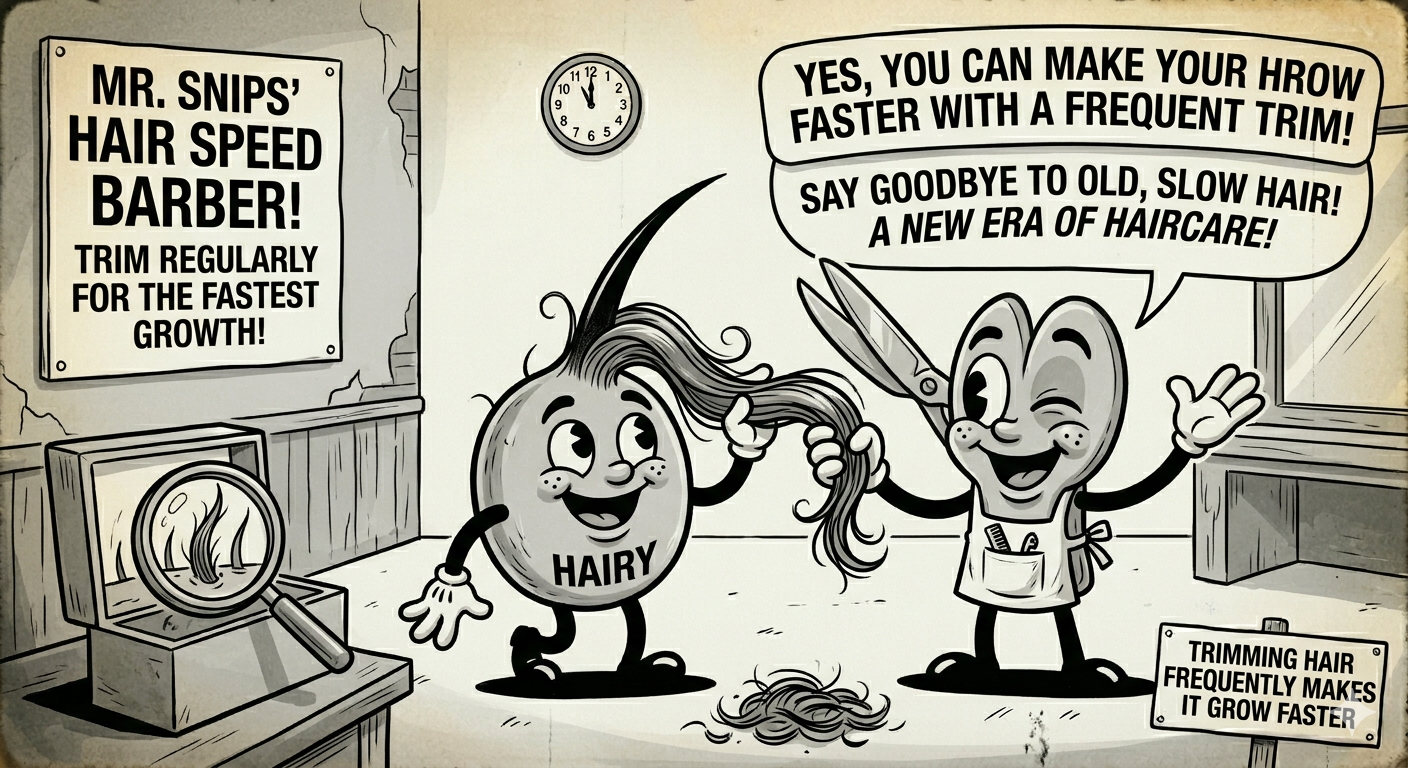
Trimming hair frequently makes it grow faster
This one has been passed down from mothers to daughters for generations. Hair growth happens from the scalp — from follicles — and trimming the ends has zero biological effect on that process. Your follicles don’t know your ends have been cut. What’s actually happening: regular trims prevent split ends from traveling up the shaft, which reduces breakage, which means your hair retains more length over time. The growth rate itself — roughly 1–1.5 cm per month — is unchanged.
The Truth
Trim when you notice split ends or damage — every 8–12 weeks is a common guideline for most hair types. Trimming keeps hair healthy and prevents length loss from breakage, which creates the impression of growth. But for actual growth, focus on scalp health, nutrition, and gentle handling.
How to Avoid Beauty Misinformation Online
Knowing the myths is only half the battle. Here’s a practical framework for navigating beauty content more critically in 2026:
Trusted resources: The American Academy of Dermatology (aad.org), the British Association of Dermatologists, and the Indian Dermatology Online Journal regularly publish consumer-friendly, evidence-based skincare and haircare guidance.
Frequently Asked Questions
No. Hair thickness is determined by the follicle — not by cutting. When hair is trimmed, the blunt cut end can feel or appear thicker temporarily because the tapered natural tip is removed, but the individual strand’s actual diameter is unchanged. Thickness is genetic and influenced by hormonal factors.
The Bottom Line
Your skin and hair deserve better than whatever went viral yesterday. In 2026, the most radical beauty act is skepticism — pausing before you apply, questioning who’s selling you what, and choosing evidence over aesthetics. Consistency, simplicity, and science-backed ingredients will always outperform the next trending hack. Protect your barrier. Wear your SPF. And stop putting lemon juice on your face.